
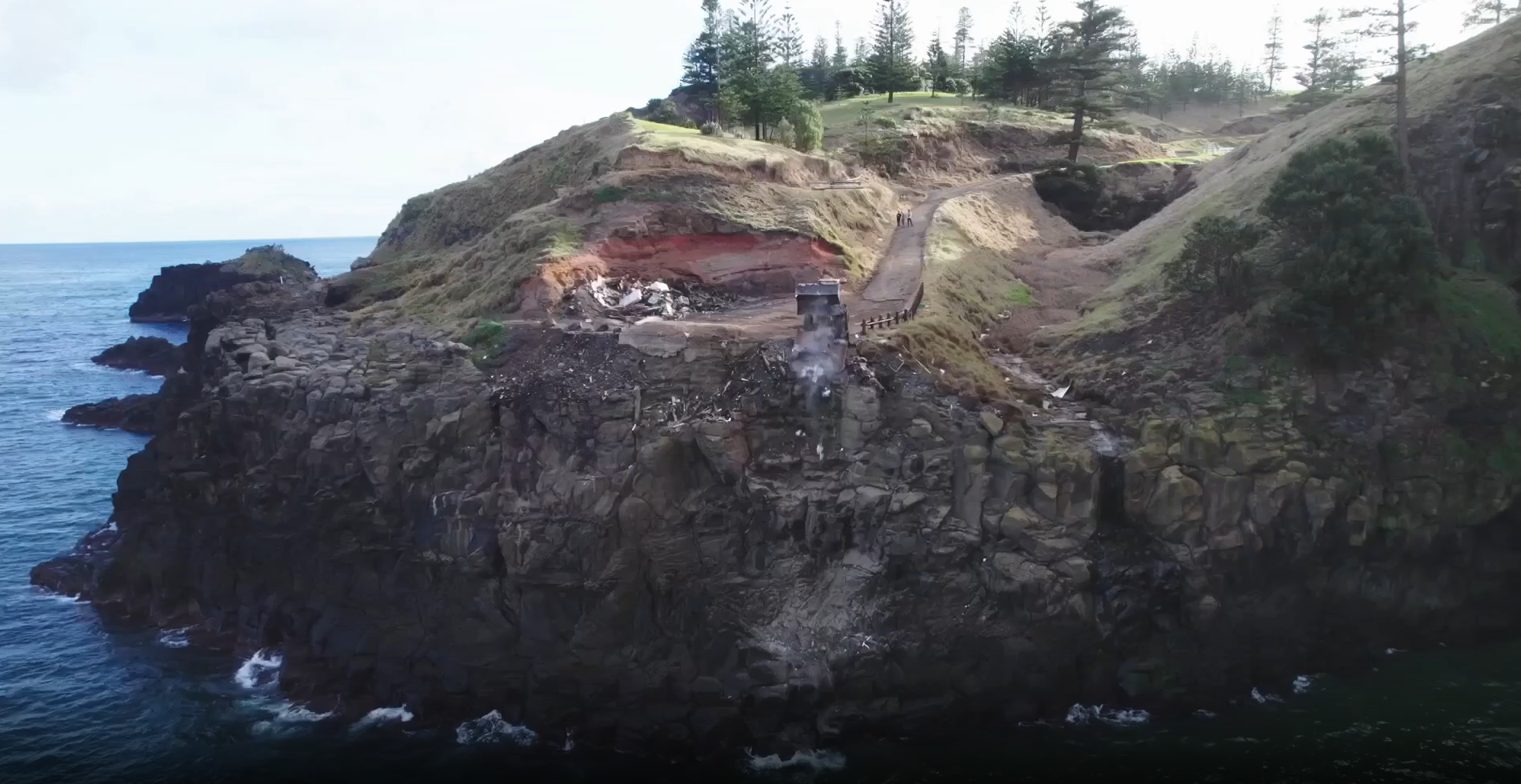
The waves crashed against the cliffs at Headstone, but instead of sea spray, the air carried the acrid stench of burning plastic. Seabirds opportunistically scavenged plastic and debris to build their nests. Floating food wrappers, half-burnt bags and glass bottles bobbed on the water’s surface before being swallowed by the Pacific.
For decades, this was Norfolk Island’s waste management system – out of sight, out of mind.
Residents had no landfill, no structured recycling, and no sustainable way to dispose of their rubbish. Everything was burned and bulldozed off the cliff, where it washed back onto the island’s pristine beaches or drifted into the open ocean.
It was a cycle of destruction.
A community-led revolution
Lilli King grew up watching Norfolk’s rubbish disappear over the cliff.
“We all knew it was happening, but hardly anyone actually saw it firsthand,” she says. “If people had to stand there and watch their rubbish being dumped into the ocean, habits would change overnight.”
It wasn’t just plastic and household waste being lost to the sea – old washing machines, tyres and even entire cars had been pushed over the edge. And with the ocean around the island falling under the protection of the Norfolk Marine Park (July 2018), the clock was well and truly ticking on finding a sustainable solution. The Norfolk Island Regional Council, alongside The Norfolk Wave Campaign – a grassroots community movement – sought to find solutions as fast as possible.
In November 2021, after many years of failed attempts to cease ocean outfall, the Headstone dumping ground was closed for good.
But that was just the beginning.
Norfolk now had a new challenge: with no ocean dumping and no landfill, where would the waste go?
Finding the right solution
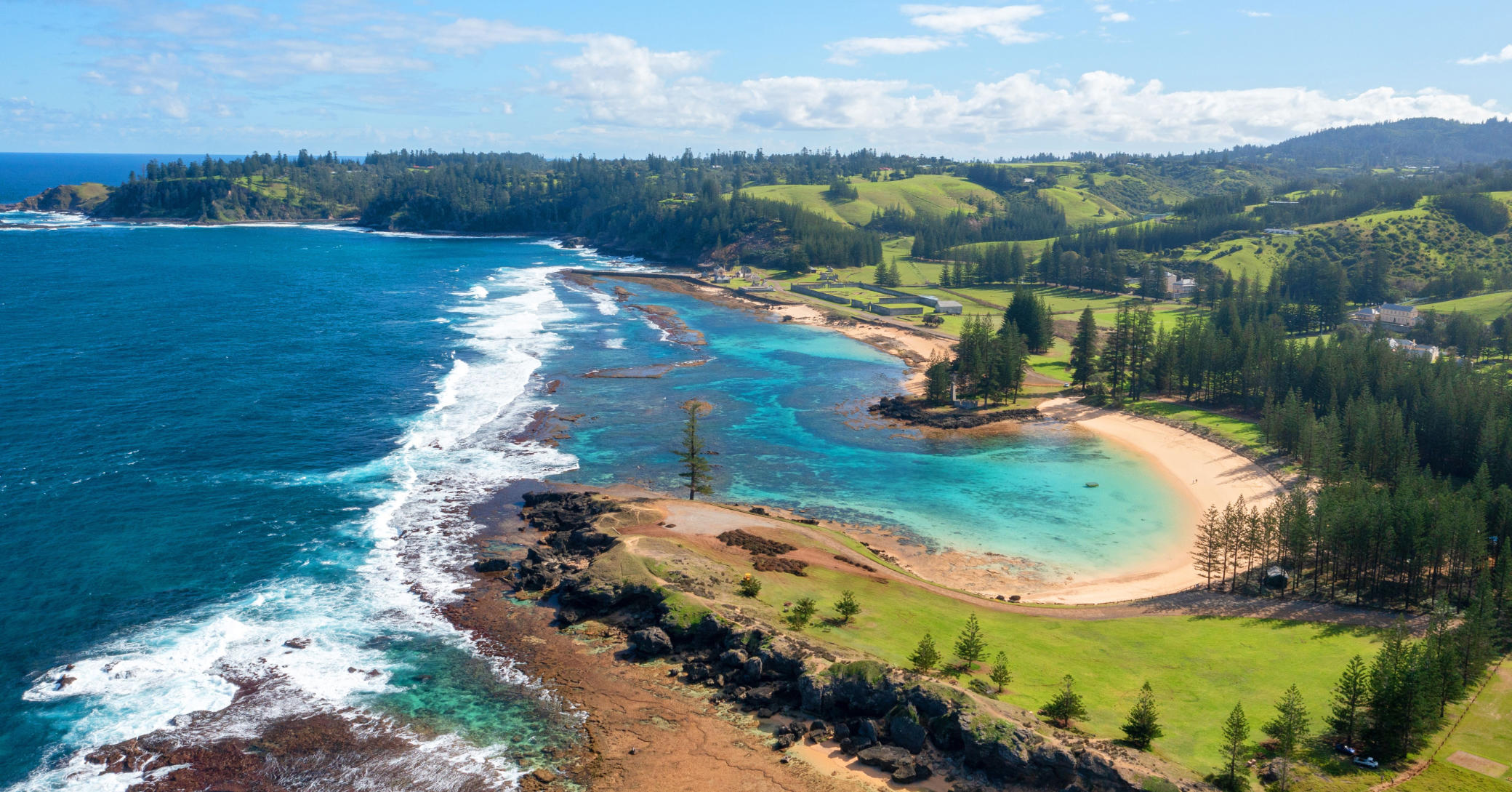
With limited infrastructure in place, the island was forced to ship all of its waste to Australia – an expensive, short-term fix.
“We didn’t want to just export our problem elsewhere,” Lilli says. “Burning and bulldozing waste into the ocean was obviously unsustainable, but so was sending everything to Australian landfills.”
That’s when The Norfolk Wave Campaign discovered Revolve Your World, an innovative recycling company that had pioneered waste recovery systems at music festivals and in Byron Bay, NSW.
Revolve Your World’s approach was simple yet revolutionary:
- Sort waste at the source
- Process it locally
- Transform waste into valuable resources.
This was the circular economy in action – and exactly what Norfolk, just 8km by 5km, needed.

The Norfolk Wave Recycling Centre
After 18 months of intense community education, infrastructure planning and logistical problem-solving, the Norfolk Wave Recycling Centre officially opened in August 2023.
Unlike most waste facilities, which focus only on disposal, this centre was designed to be a circular economy hub – where waste isn’t just managed, but given a second life.
Norfolk’s system works differently from most Australian recycling programs:
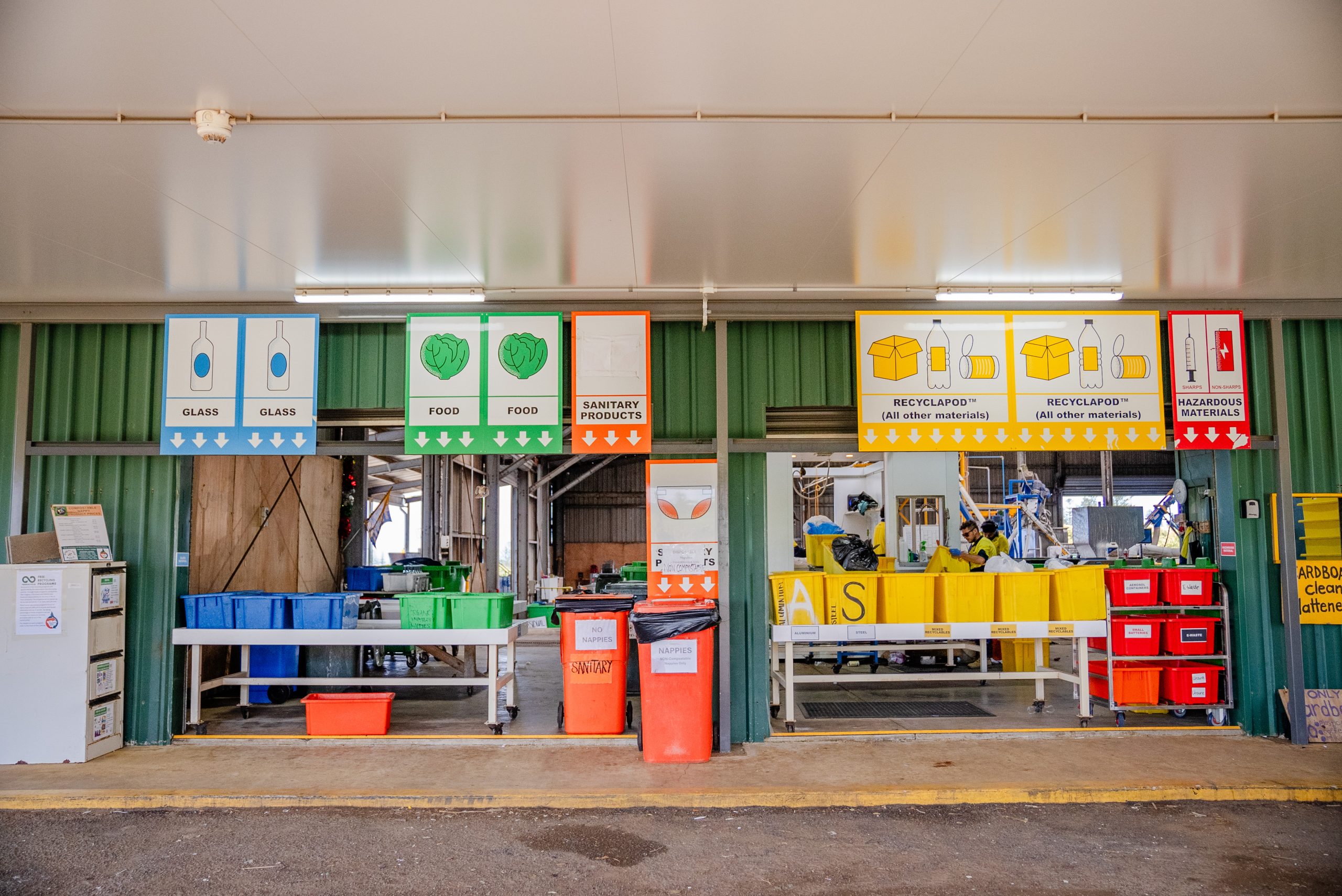
- There is no kerbside collection – residents are responsible for bringing their own rubbish to the centre
- Households must sort and clean their waste before dropping it off – a simple change that has dramatically improved recycling rates
- Staff at the centre use a mix of old and new technologies to process and repurpose waste on-site.
How Norfolk turns waste into resources
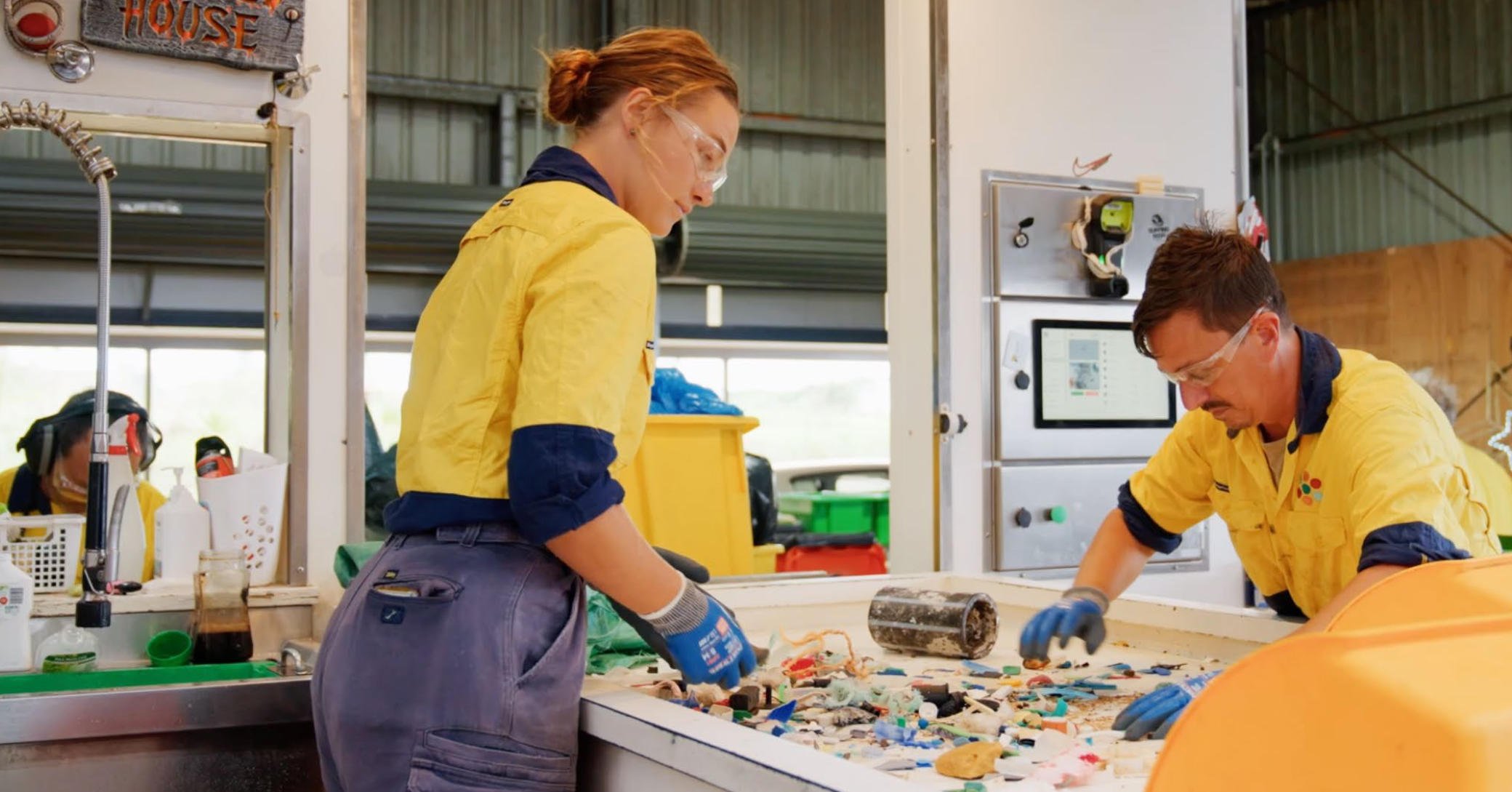
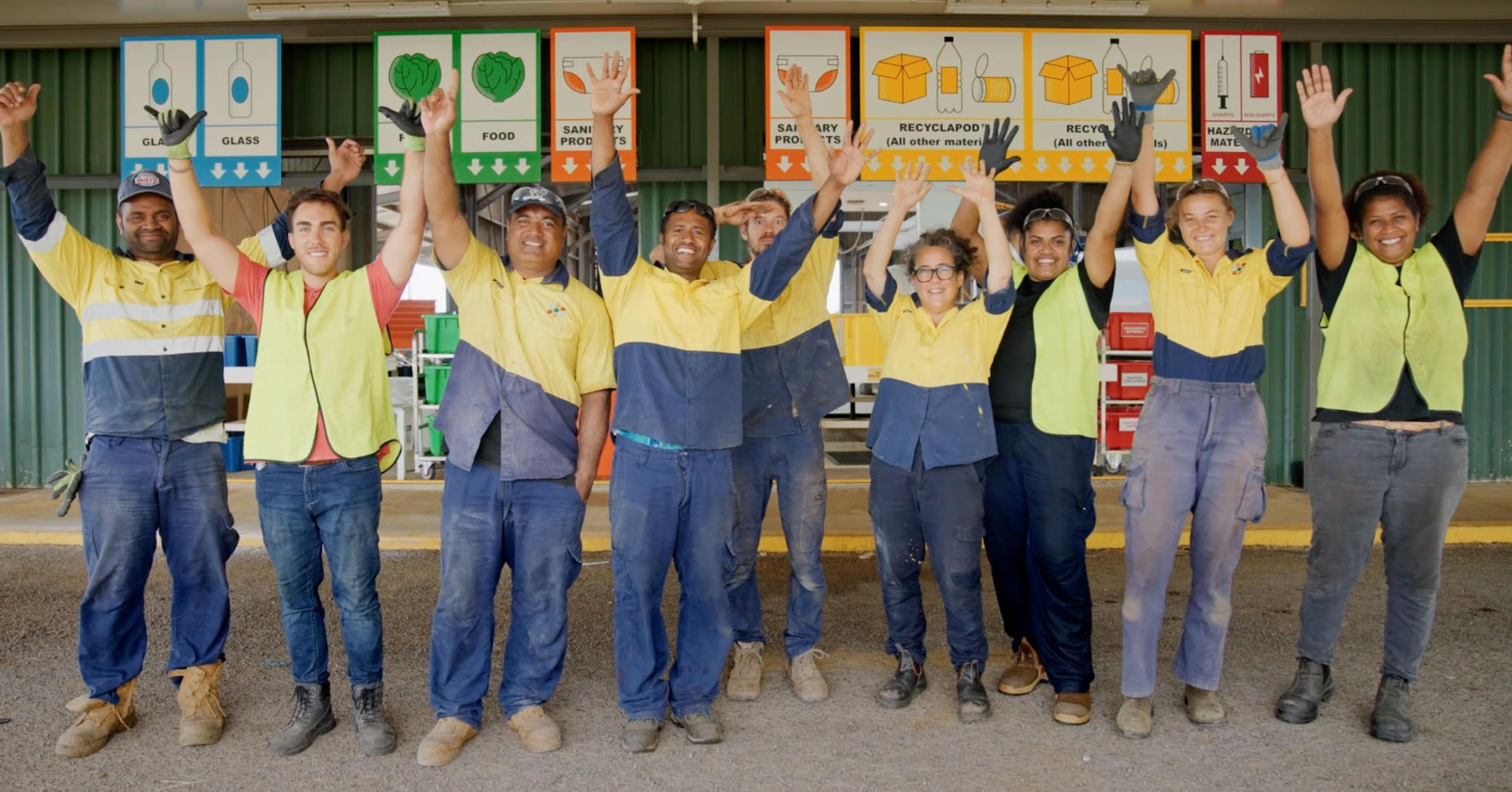
The heart of the facility is its Recyclapod, where staff hand-sort materials, ensuring maximum resource recovery. From there, waste is transformed into valuable new products:
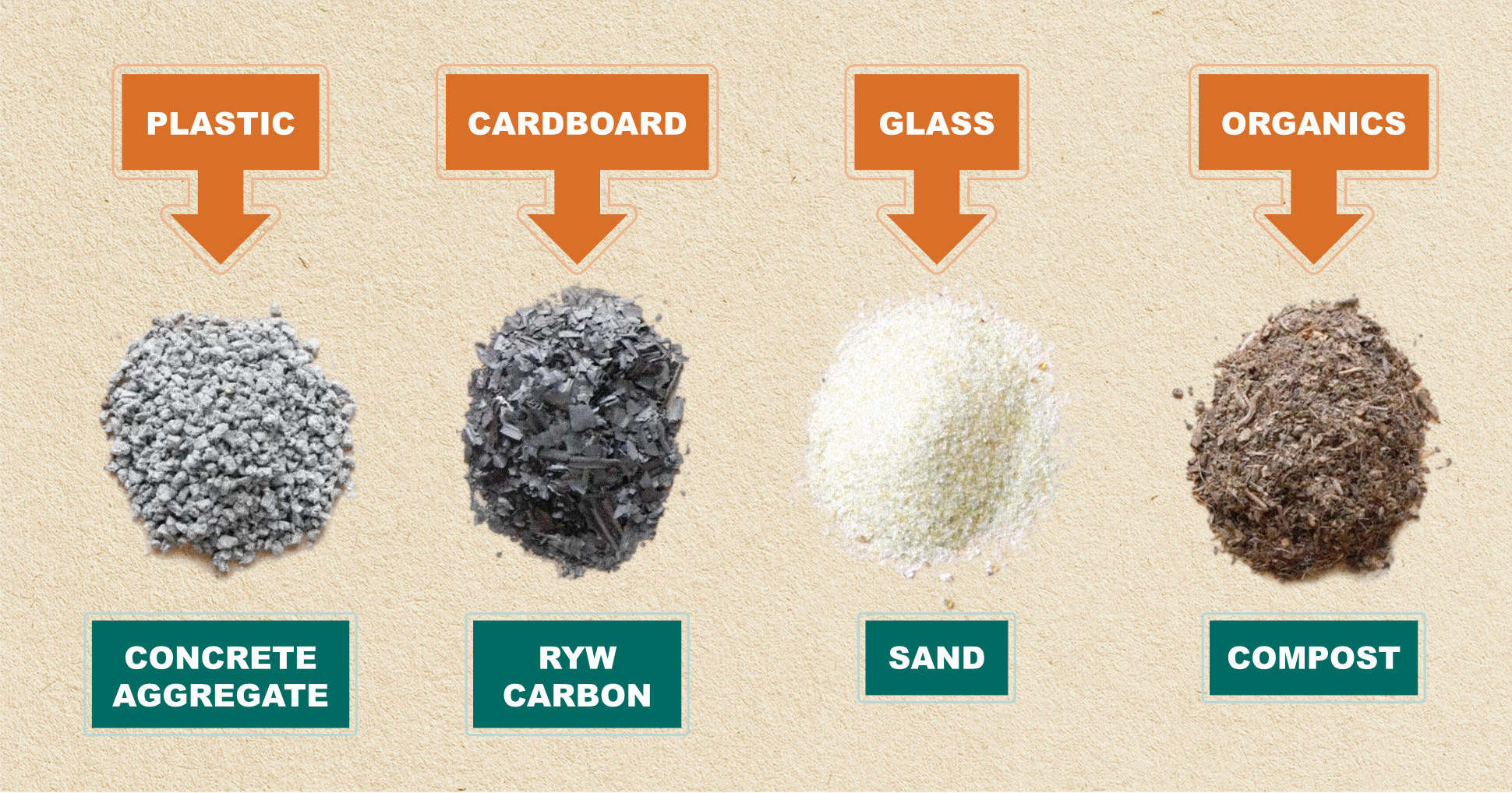
- Glass bottles are turned into glass sand, used in construction, paving and even pizza oven renders
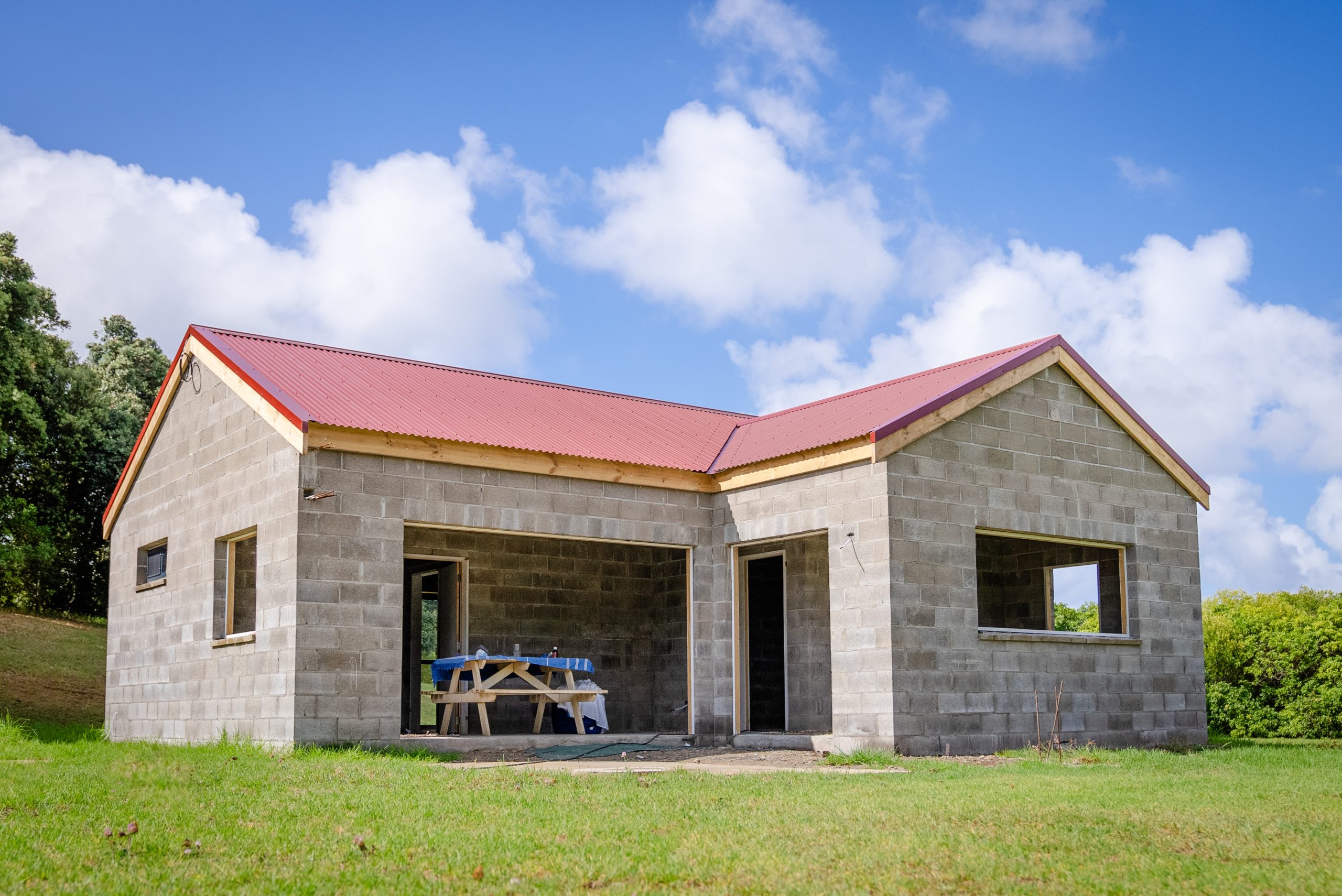
- Plastic waste is processed into concrete aggregate, used to subsidise the use of virgin rock aggregate in local construction. It was used in the construction of the first recycled-material home in late 2024
- Food scraps and garden waste are composted, supporting local farms and gardens
- Cardboard is processed using pyrolysis technology to create carbon, which is used in the plastics recycling process
- Textiles are sorted for second-hand shops, rags for local tradespeople and textile recycling programs.
For other recyclables, the centre bales and exports materials such as aluminium and steel for off-island processing, ensuring landfill is the absolute last resort.
A radical transformation
Just four years ago, Norfolk Island dumped the majority of its waste into the ocean or sent it to landfill.
Today:
- Upwards of 75 per cent of the island’s waste is diverted from landfill (80% in February!)
- 42 per cent is processed and recycled on the island
- 33 per cent is recycled in Australia
- The first home built with Norfolk’s own recycled materials was completed in November 2024.
How Norfolk won over its community
Change wasn’t immediate – some residents embraced the new system, while others resisted.
“We had people stockpiling their plastics, desperate to recycle properly, and others who refused to change purely on principle,” says Lilli, co-founder of The Recycling Centre.
But the key to success was education and visibility:
- The team ran school workshops, business seminars and community meetings
- They set up a real-time waste tracking dashboard so residents could see their impact
- They engaged social media, radio and newspaper campaigns to keep waste reduction top of mind.
Over time, even the most sceptical islanders began to shift their habits.
“Once people saw how easy it was, and that the recycled products were actually useful and competitively priced, they got on board.”
Lessons for NSW and beyond
Norfolk’s model is scalable – and could be the blueprint for waste management in NSW, particularly in remote and regional areas.
- Community buy-in is critical – the more education and transparency, the higher the recycling rates
- Processing waste locally is the future – eliminating landfill dependency saves money and resources
- Circular economy models work – by turning waste into valuable products, Norfolk has created local jobs and reduced imports
- Even small changes have big impacts – simply cleaning recyclables before disposal has dramatically improved recovery rates.
A blueprint for the future
What Norfolk Island has achieved shouldn’t be possible for a tiny, isolated community with limited resources. And yet, in just four years, they have gone from using the ocean as their dumping ground to leading the way in recycling innovation.
And for Lilli, the Norfolk Wave team and the Norfolk Island community, this is just the beginning.
“We’re proving that waste isn’t waste – it’s a resource. And when you treat it that way, everything changes.”
The only question now is: who will follow Norfolk’s lead?
Article: Liz Ginis, Director of Communications & Marketing, RDA Sydney
Images: Courtesy Norfolk Wave Recycling Centre


